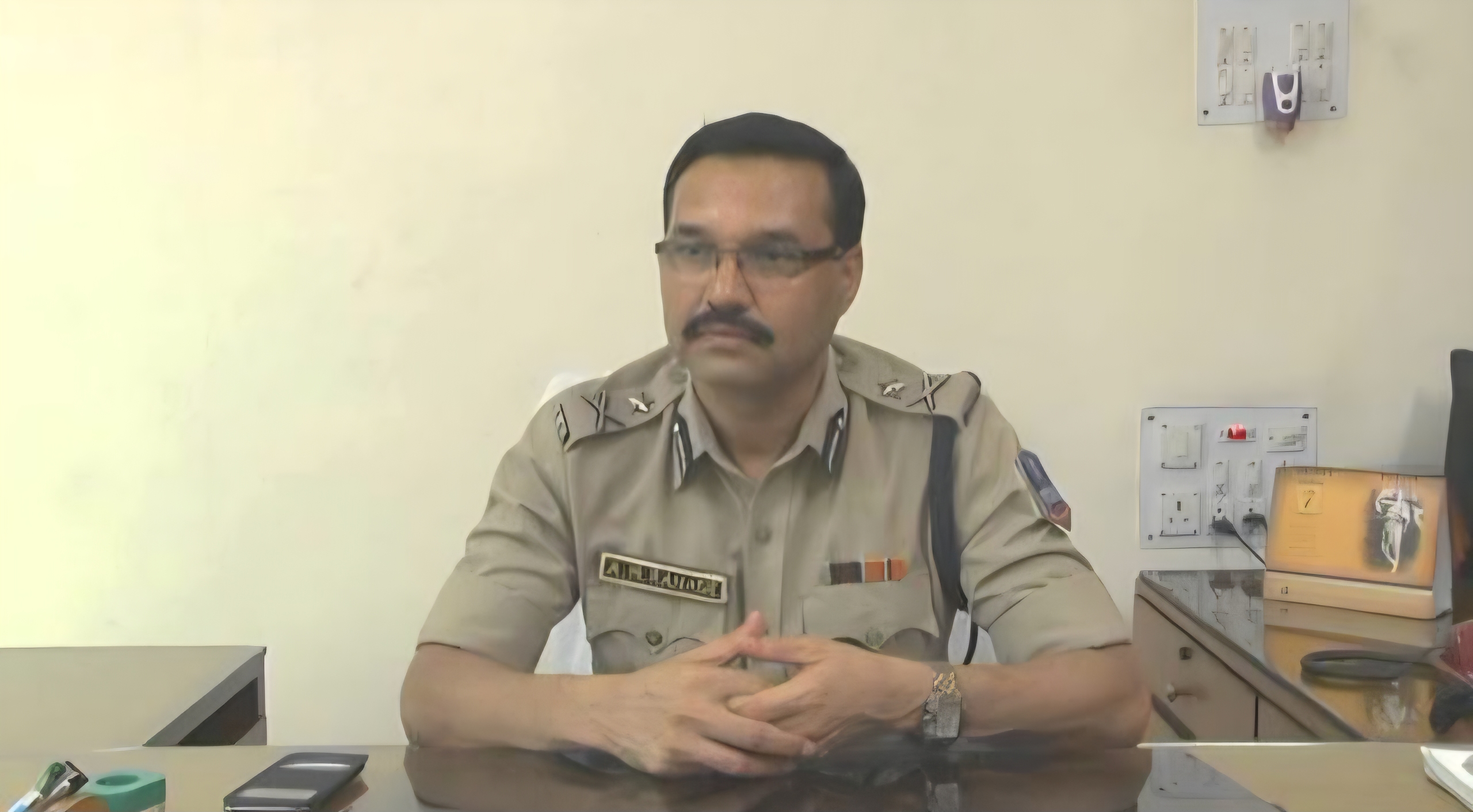
Bengal Govt elevates IPS Ajay Mukund Ranade to DGP (Law and Order)
.gif)

Download Mobile App 






The Supreme Court on Thursday refused to intervene in the ongoing controversy over the transfer of IAS and IPS officers in West Bengal, dealing a major setback to the state government. A bench led by Chief Justice Surya Kant dismissed the state’s plea challenging the Election Commission’s unilateral transfer of officials ahead of the Assembly elections, while also upholding the Calcutta High Court’s earlier verdict. The court highlighted a “trust deficit” between the state government and the Election Commission as a key concern behind the dispute.
During the hearing, senior advocate Kalyan Banerjee, appearing for the state, argued that the Election Commission had deviated from past practice by not consulting the state before ordering transfers. He claimed that such decisions were earlier taken in consultation with the state government and questioned the unprecedented nature of the current exercise. However, the Chief Justice observed that with elections just days away, judicial intervention at this stage would not be appropriate and stressed that the issue stems from a lack of trust between two constitutional authorities.
The bench further remarked that such transfers are not unique to West Bengal and have taken place across the country in different elections. It also raised broader concerns about public perception of administrative officials, noting that a lack of trust has extended beyond institutions. The court pointed out that even judicial involvement had become necessary in certain election-related processes due to this erosion of trust.
Earlier, the Calcutta High Court had dismissed petitions challenging the transfer of 46 officers carried out by the Election Commission between March 15 and March 19. The High Court ruled that the transfers were neither arbitrary nor illegal and stated that such administrative decisions fall within the Commission’s authority unless proven otherwise. With the Supreme Court now declining to interfere, the Election Commission’s decision stands, bringing the legal challenge to a close for now.



.webp)



 West Bengal
 Bihar
Bihar Uttar Pradesh
 Jharkhand